The WATER Institute develops innovative, science-based solutions for communities and the environment to address the legacy of hydrologically destructive land use practices and policies on California’s watersheds and the urgent need to address the impacts of climate change on the water cycle.
“The water cycle
and the life cycle
are one.”
Jacques Cousteau
In 2004, the Occidental Arts and Ecology Center (OAEC) established the WATER Institute (Watershed Advocacy, Training, Education, & Research) to promote understanding of the importance of healthy watersheds to healthy communities. Through demonstration, education, watershed community organizing, and advocacy leadership, the WATER Institute empowers community-based watershed literacy and action by
- reframing the policy debate around water quality and supply at the city, county, and California state levels;
- educating and empowering all sectors of regional economies to implement restoration, conservation, and policy changes for water security in their communities; and
- implementing climate change-responsive land use and water management practices at the watershed scale.
For general WATER Institute inquiries, please contact [email protected].
Sign up for our WATER Institute Newsletter
WATER News
Upcoming WATER Institute Events
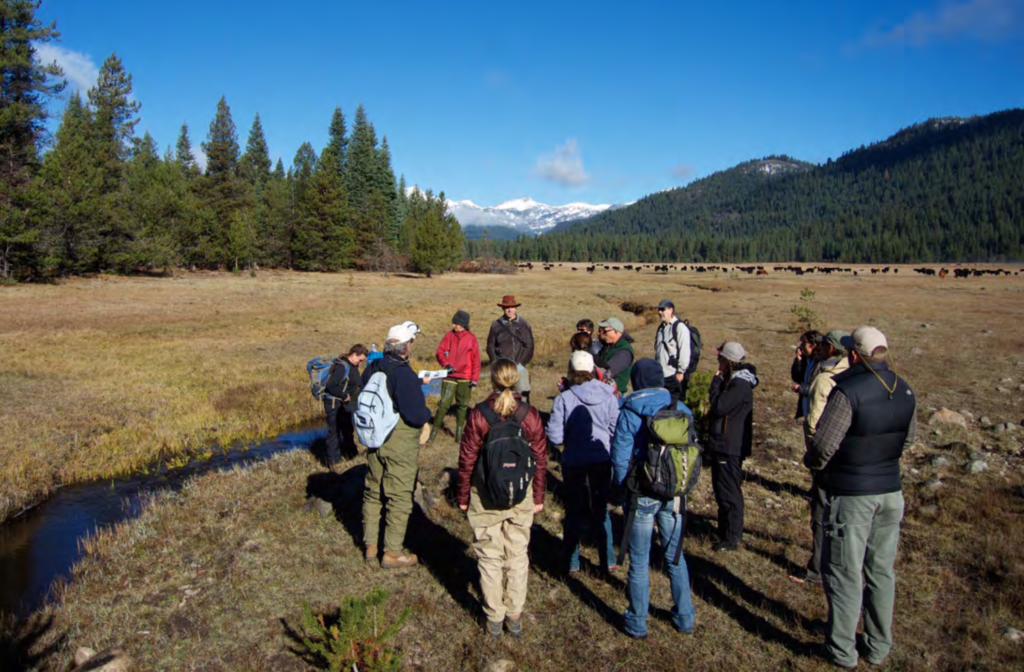
Learn more about the WATER Institute’s upcoming events, talks, and workshops. Our outreach and education activities cover a variety of topics including holistic watershed health, beaver restoration and coexistence, process-based restoration, and our Fuels to Flows campaign.
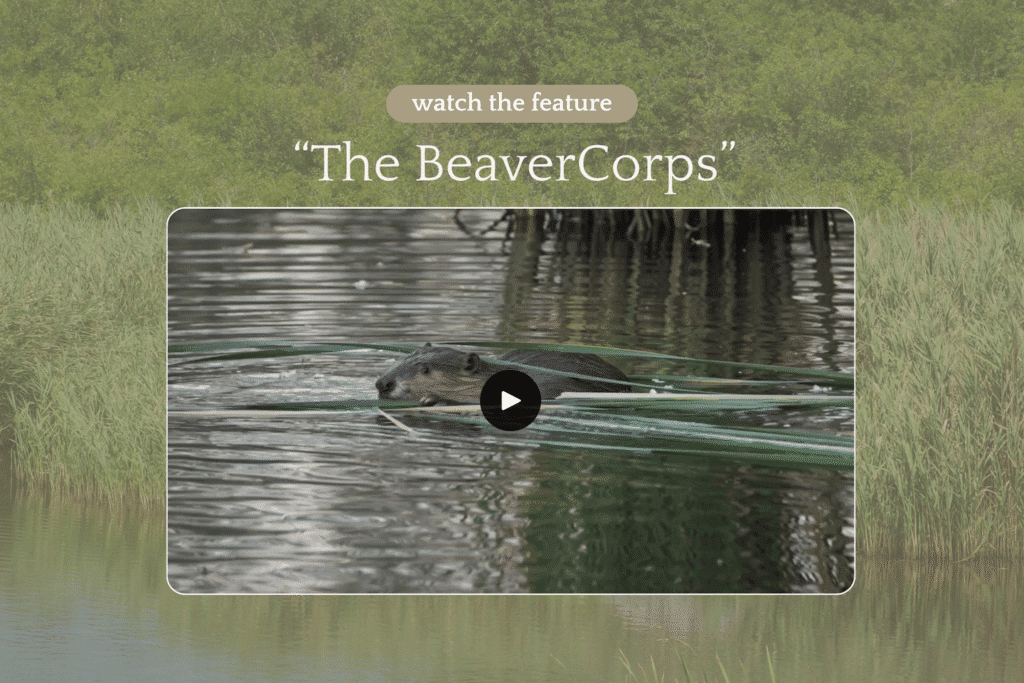
“The BeaverCorps”: Watch The New Feature on This American Land and NBC
Our cohort of Beaver Coexistence Professionals was featured alongside the Beaver Institute in a new TV short called: “The BeaverCorps,” which recently aired on This American Land (PBS) and NBC broadcasts nationwide.
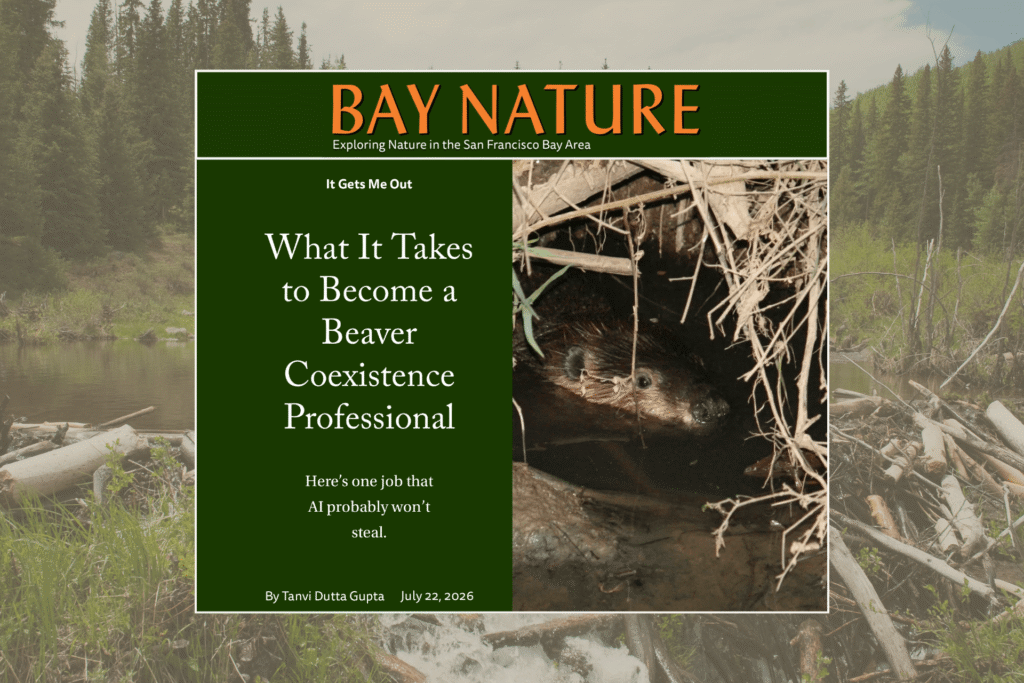
“What it Takes to Become a Beaver Coexistence Professional”: Read Our New Bay Nature Feature
Our latest feature in Bay Nature chronicles the successes and challenges faced by the emerging workforce of Beaver Coexistence Professionals in California and how our coexistence installation at the Cosumnes River Preserve is saving refuge managers from an exhausting maintenance regime some refer to as “beaver CrossFit.”
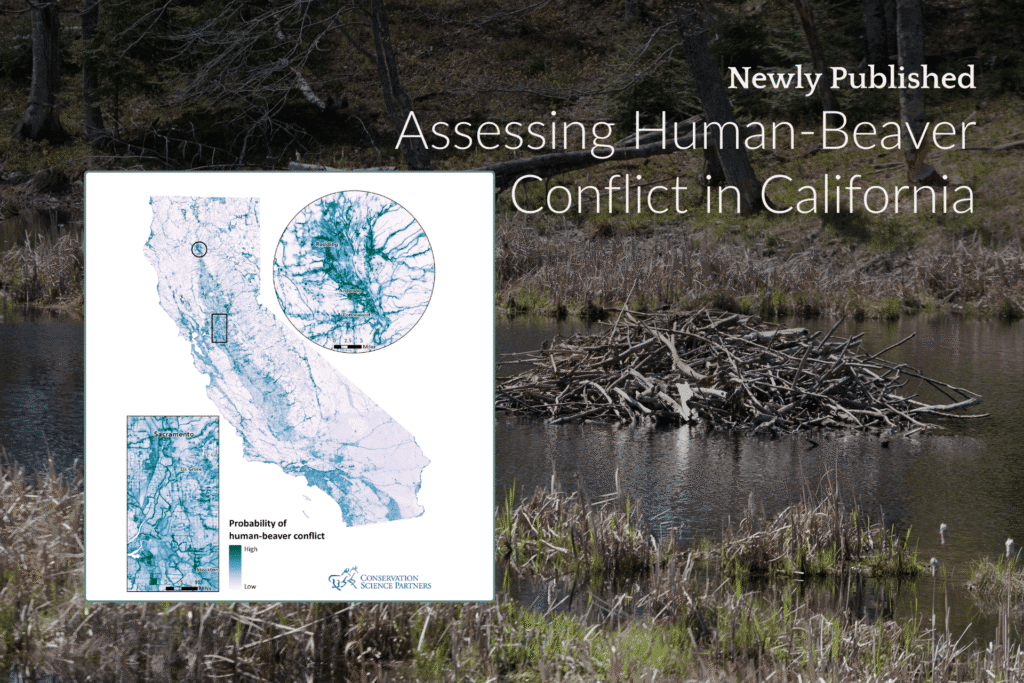
New Human-Beaver Conflict Model Offers Better Understanding of Beaver Conflicts in California
The WATER Institute team collaborated with Conservation Science Partners to publish California’s first beaver habitat suitability analysis and interactive web mapping model.
WATER Institute Staff
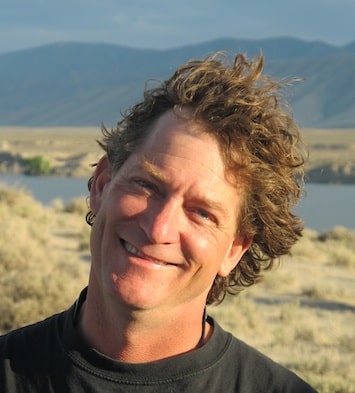
Brock Dolman
OAEC Co-Founder; Program Director
Brock Dolman (he/him) co-directs the WATER Institute, Permaculture Design Program, and Wildlands Program. He has taught permaculture and consulted on regenerative project design and implementation internationally in Costa Rica, Ecuador, the US Virgin Islands, Spain, Brazil, China, Canada, Zimbabwe, Tanzania, Democratic Republic of Congo, Cuba, and widely in the United States.
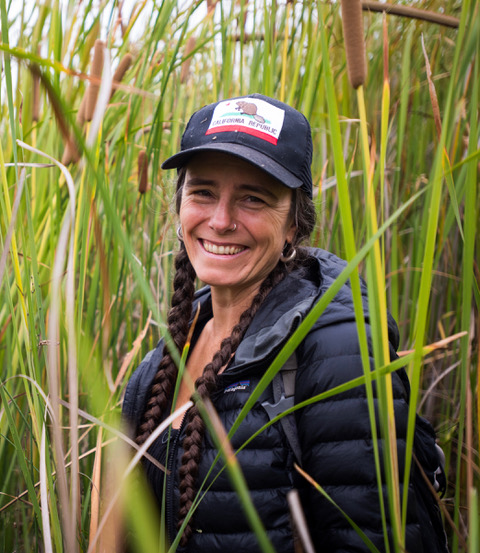
Kate Lundquist
WATER Institute Co-Director
Kate Lundquist (she/her) co-directs the Occidental Arts & Ecology Center’s WATER Institute and the Bring Back the Beaver Campaign. Collaborating with landowners, communities, tribes, conservation organizations, and resource agencies across California, Kate works to implement beaver and process-based restoration to conserve watersheds, recover listed species, increase water security, and build resilience to climate change.
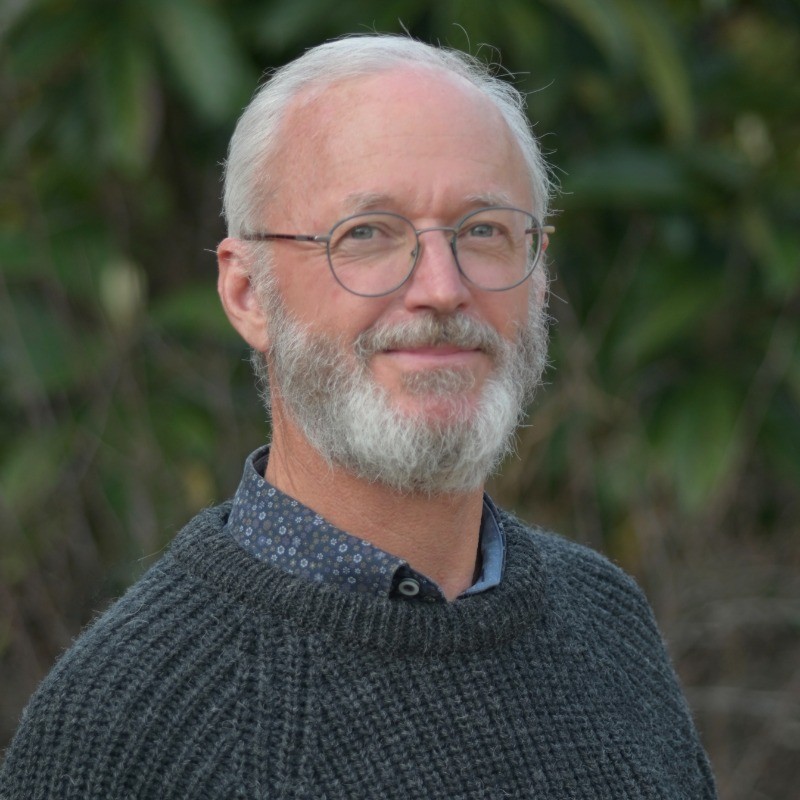
Grey Hayes
Beaver Coexistence Program Manager
Grey Hayes (he/him) is the manager of the Occidental Arts & Ecology Center’s WATER Institute’s Beaver Coexistence Program. He has long organized and facilitated groups working together through collaborative natural resource management processes in California.
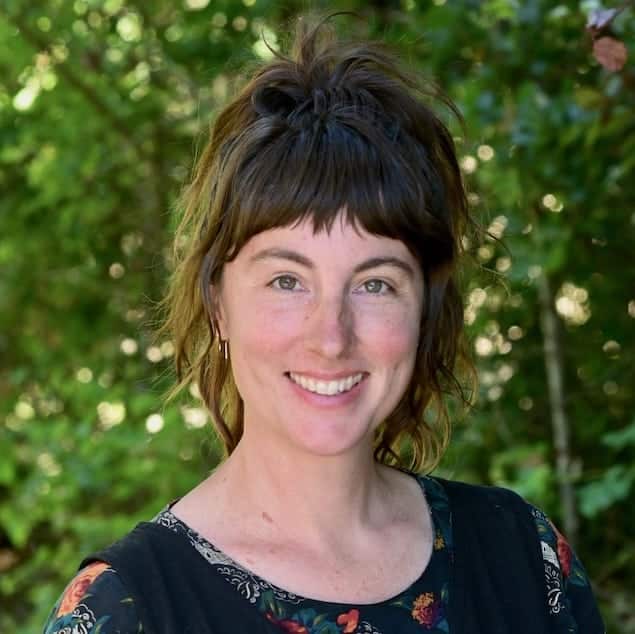
Renée Rhodes
Associate Director of Development & Communications
Renée Rhodes (she/her) is the Associate Director of Development and Communications with the WATER Institute. She is a multimedia storyteller and nonprofit program manager with a passion for supporting watershed-scale restoration in California.
The WATER Institute can help you protect your watershed:
Modeling Watershed Resiliency
“Just as water is the foundation of life, it must also be the foundation of design in the built environment.”
–Betsy Damon (Keeper of the Waters)
Community resilience depends on healthy relationships with our watersheds. Through a practice we call “Conservation Hydrology,” you can create and install water management systems that restore and protect watersheds. Learn about our Conservation Hydrology demonstration site for design inspiration.
Training Changemakers
“If you’re not part of the solution, you’re part of the precipitate.”
–Steven Wright

The WATER Institute supports students, landowners, watershed advocates, land managers, land use professionals, agency staff, and policy makers to become water-literate environmental stewards. You too can increase your community’s watershed literacy by drawing from our many resources.
Supporting Communities to Transform Watersheds
“Water links us to our neighbor in a way more profound and complex than any other.”
–John Thorson
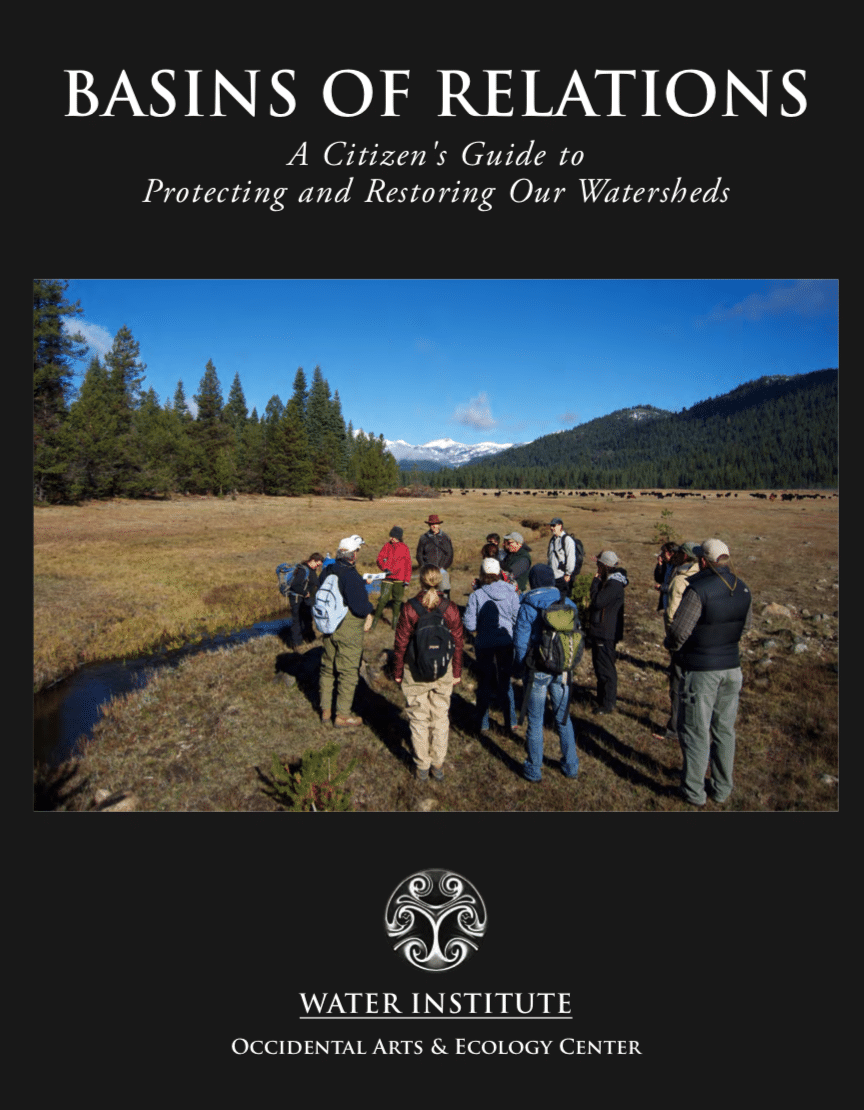
Viewing your watershed as a shared “basin of relations” allows you and your neighbors to truly define the boundaries of your community and to organize around meaningful issues of lasting local social security.
Changing the Rules
“Fix it in your constitution that no corporation, no body of men, no capital can get possession and right to your waters. Hold the waters in the hands of the people.”
–John Wesley Powell, 1890 North Dakota Constitutional Convention
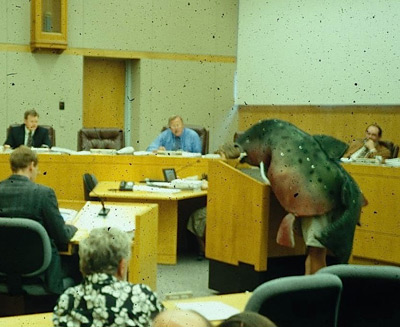
We are perched on the tipping point of a “watershed moment.” Considering the importance of water, we all need to be involved in the politics of water resources.
Lasting change ultimately occurs in the arenas of politics and democratic decision-making. Learn how the WATER Institute is changing the rules through our Bring Back the Beaver Campaign and other agricultural water work.
Conservation Hydrology – Concepts Coined
At the WATER Institute, we call our philosophical and practical responses to current water challenges and opportunities “Conservation Hydrology.” Conservation Hydrology emphasizes community-based watershed literacy, planning, and action. It challenges the current “dehydration model” of human development and advocates for a “rehydration model.” The old “drain-age” is now being replaced by a new “retain-age”! To achieve this goal, we must retrofit existing development patterns with new ones based on the principles outlined below, coined by WATER Institute Co-Director Brock Dolman.
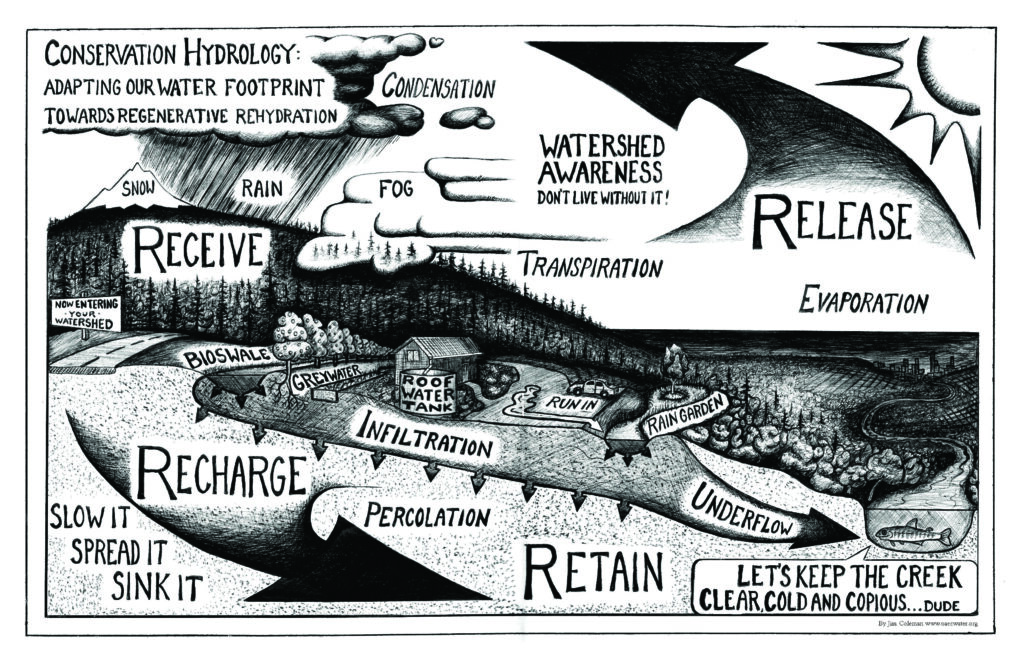
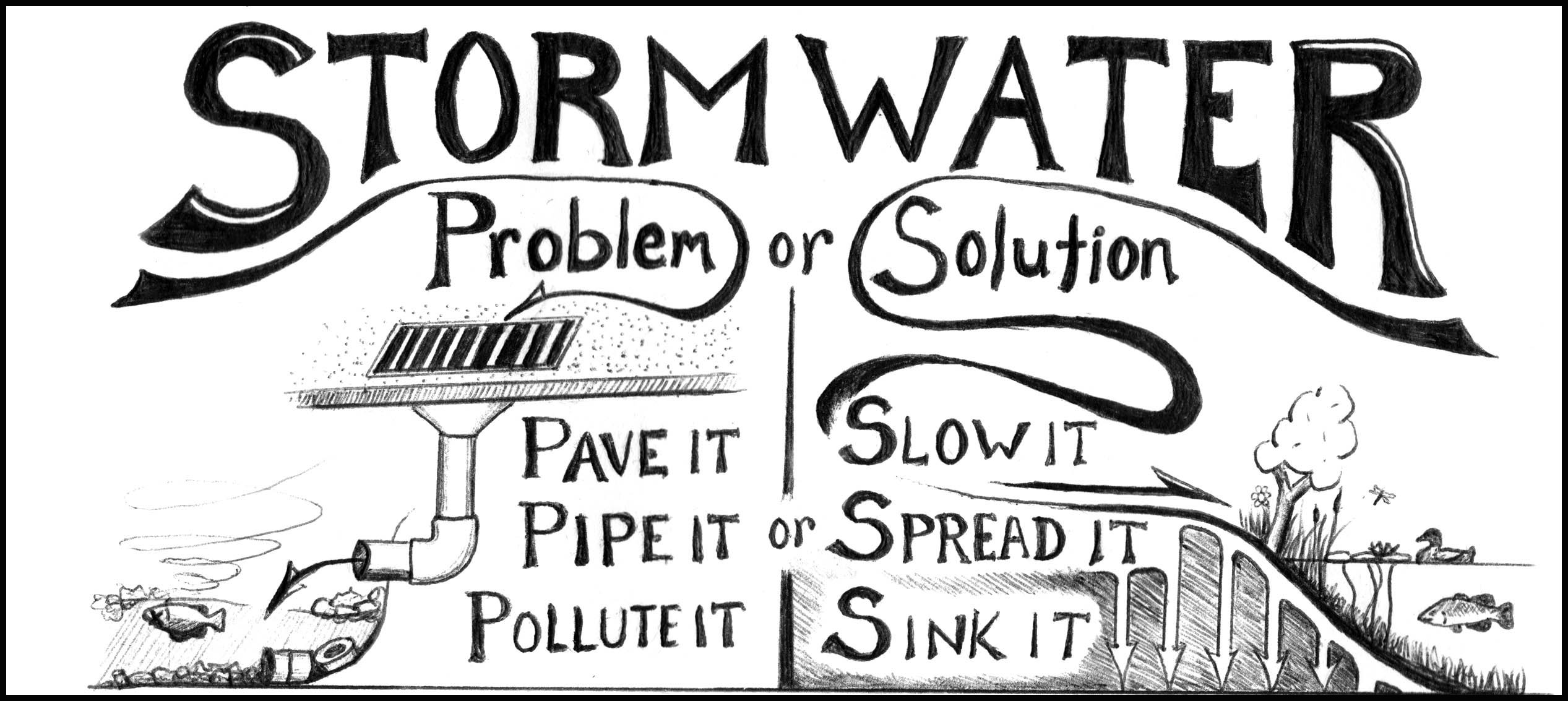
Slow it. Spread it. Sink it. Store it. Share it.
The Clean Water Act now recognizes the “pave and pipe paradigm” as disastrously flawed and hydro-illiterate. These outmoded engineering practices capture, concentrate, and convey water “away” as quickly as possible, which is especially harmful in drought-prone areas. The WATER Institute advocates a new paradigm to recharge our aquifers with a call to slow it, spread it, sink it. Slow the water down. Spread the water out. Sink the water into the land. Store the water in the aquifer. Share the water with all of life. Brock Dolman’s slow it, spread it, sink it meme has gone viral worldwide!
Basins of Relations
Watersheds are catchment basins of varying sizes that collect surface water and groundwater in a given geographical area. “Basins of Relations” is the notion that our watersheds are complex, living systems full of organisms that rely on us to be aware of how our actions impact the waters we share. All of our organizing strategies at the WATER Institute are based on a “Ridgeline to River to Reef” model that recognizes that actions taken in the uplands have profound consequences downstream.
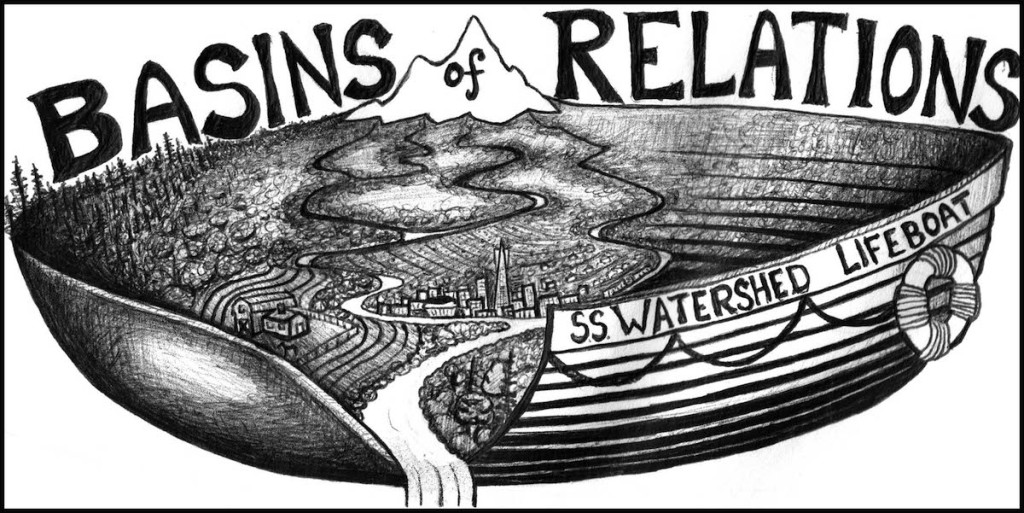
Illustration by Jim Coleman


